March 12, 2026
Replacing a roof is not only a substantial financial obligation but also a critical component of maintaining your property's integrity. It is essential to make sure that the roofing work is performed by a skilled and trustworthy professional from a reputable roofing company. This long-form article discusses six key questions you should ask any roofer before moving forward with a roof replacement, allowing you to make an informed and confident decision.
A roof replacement requires careful vetting of potential contractors. By asking targeted questions and conducting due diligence with each roofing company you consider, homeowners can avoid common pitfalls and ensure a smooth project execution. This comprehensive guide aims to empower you with the right questions and considerations necessary to select a qualified roofer.
Understanding the intricacies involved in selecting the right roofing professional is crucial. It involves evaluating a roofer’s experience, licensing, project timelines, choice of materials, references, and payment structures. By thoroughly exploring these facets with any roofing company, you secure the best professional for the job and guarantee a durable and long-lasting roofing solution.
1. Understanding Their Background: What Is Your Roofing Experience?
Evaluating a roofer's experience begins with understanding their history in the roofing industry. An experienced roofer likely has decades of experience and a strong record of past projects within their roofing company. Experienced roofers bring valuable knowledge of roofing techniques, differing styles, and common challenges. They should be familiar with roofing trends and advancements in roofing technology to provide you with modern solutions. Trusting your roof replacement to a seasoned professional increases the likelihood of a successful and efficient project.
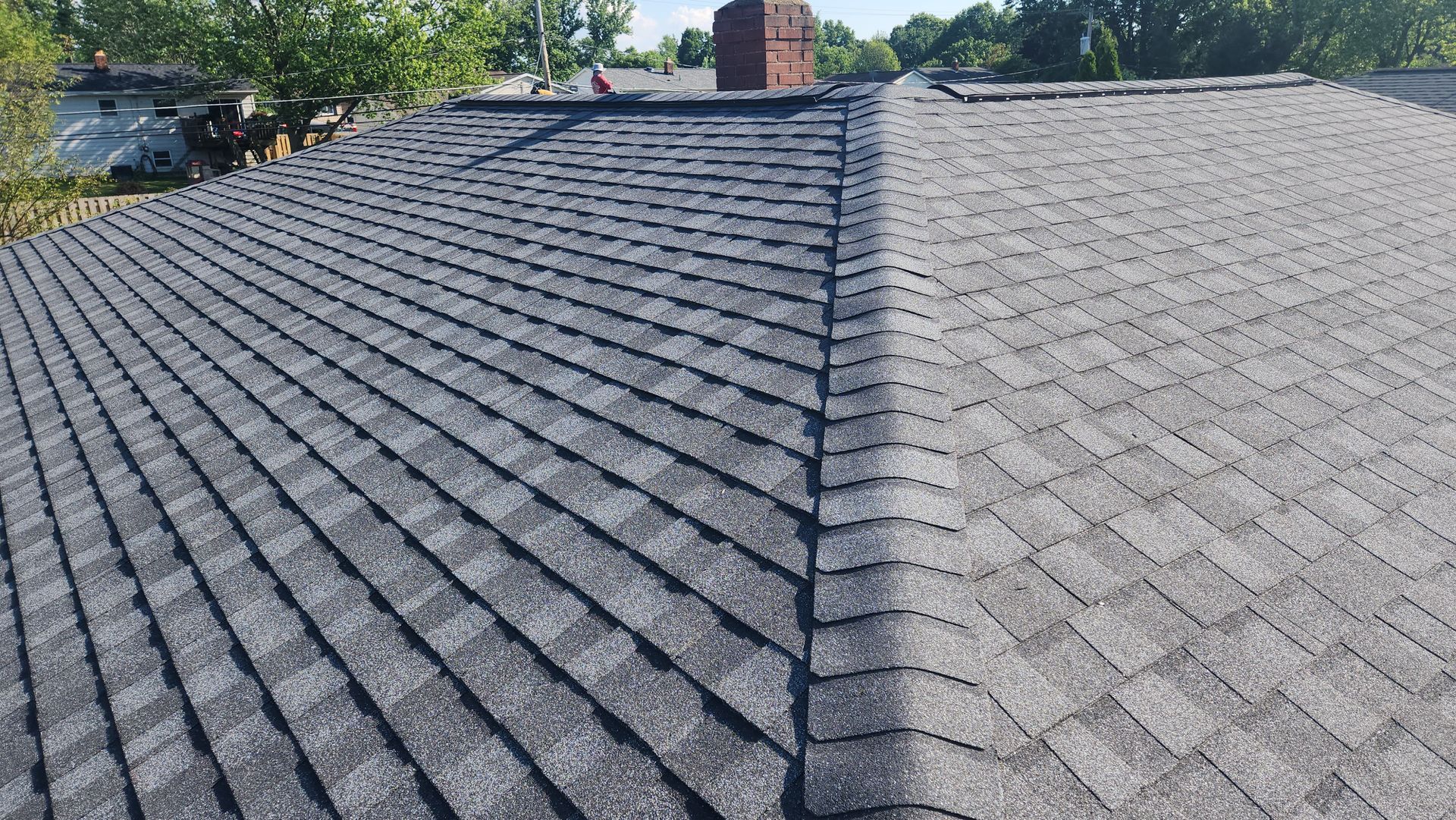
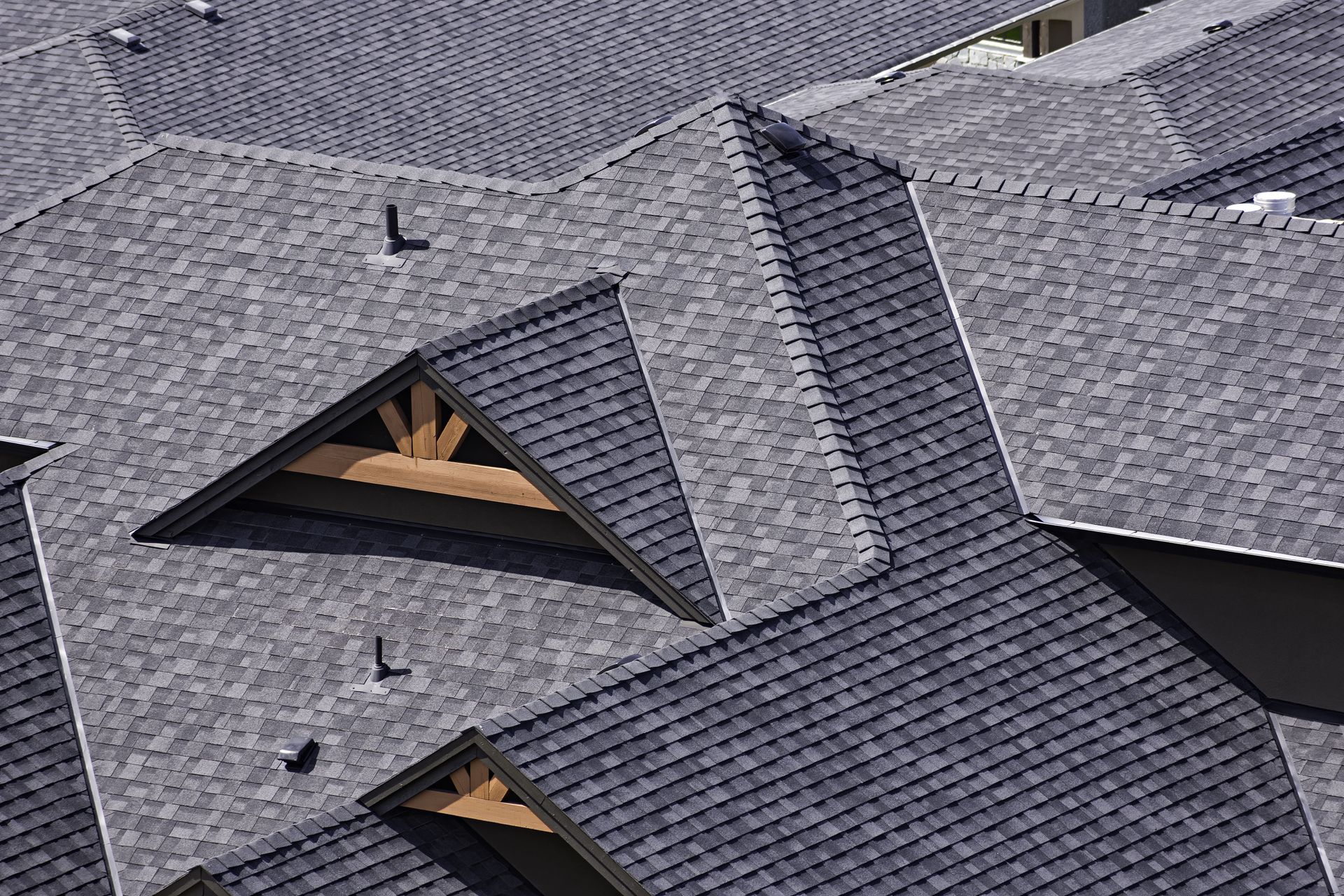
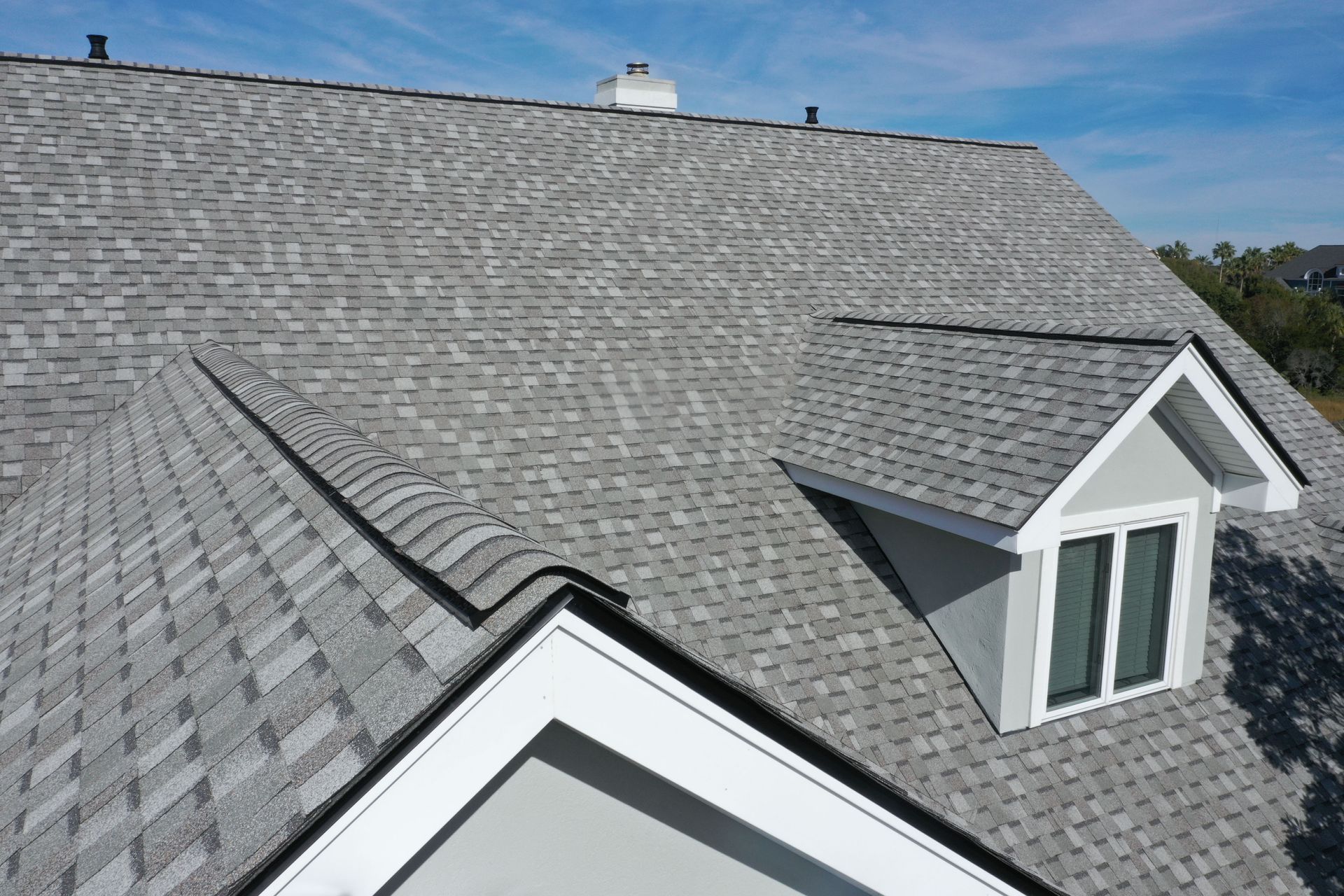
Experience also boils down to the types of roofs the contractor has worked on. Some roofers specialize in specific materials like asphalt shingles, metal, or tiles, which are known to have varying lifespans. For instance, according to This Old House, an average asphalt roof can last between 25 and 30 years, while metal and tile roofs may last up to 50 years or more. A diverse portfolio in roofing types implies the roofer's ability to adapt techniques based on roofing materials. Make sure the roofer’s past work aligns with your type of roof to ensure familiarity and proficiency.
In addition to years in the industry, a roofer’s credentials and certifications are vital indicators of their professionalism. Certifications from professional bodies affirm that they adhere to stringent industry standards and are committed to continuous learning. Obtaining a roofer's portfolio of past projects can visually reassure you of their style, achievements, and the caliber of work you can expect. Engaging in a conversation about how they handle challenging situations reveals their problem-solving aptitude and customer service dedication.
2. Licensing Requirements: Are You Licensed and Insured?
Verifying a roofer's license serves as a guarantee of their legitimacy and compliance with state or local regulations. Roofing licenses typically require contractors to pass exams that test their knowledge of safety protocols and building codes. A licensed professional from a qualified roofing company will ensure that your roofing project complies with all necessary construction standards and legal requirements. When hiring, contact the local licensing authority to confirm the validity of a roofer’s license. Ensuring licensure protects you from potential legal entanglements should any issues arise during the project.
A roofer's proof of insurance is another critical aspect of hiring a contractor. Insurance, including liability and workers’ compensation, safeguards both you and your contractor in the event of accidents or damages. Without proper insurance, you may find yourself financially responsible for injuries or damages incurred on your property. Asking the roofer for a certificate of insurance and checking the policy’s validity dates is necessary. Understanding the roofer's insurance policy, limits, and coverage areas ensures comprehensive protection throughout the project.
Aside from licenses and insurance, inquire about whether the roofer is bonded. Bonding acts as an added layer of financial security, protecting you against project non-completion or inadequate workmanship. Confirm the roofer's bond covers the full cost of your roofing project. Discuss how they handle insurance claims processing if you need to involve your home insurance. Understanding the details of each coverage ensures that you are not left vulnerable to unexpected financial liabilities. Not all states require your contractor to have a license; make sure to check whether it is required in your city.
3. Estimating the Completion Time: What Is Your Project Timeline?
Having a clear understanding of the project timeline helps you anticipate and schedule around the roof replacement. Request an estimated start and completion date from your roofer to set expectations. Discussing the project timeline ensures you’re kept in the loop and can prepare accordingly, especially if relocation or temporary accommodations are necessary. A well-defined timeline highlights any overlaps with personal obligations or seasonal weather patterns that might affect the project. It’s essential for transparency and mutual expectations throughout the replacement process.
Discussing the work schedule gives you insights into the roofer’s operational plan. Understand their working hours and days per week to anticipate timeframes for each project milestone. Whether it's a five-day workweek or extended weekend hours, knowing the schedule minimizes disruptions to your routine. Aligning expectations with your roofer's timetable ensures crucial communications are made at appropriate intervals. Consistent updates on progress can also alleviate any concerns of delays or schedule misalignments.
Roofing projects are susceptible to unforeseen delays due to weather or supply chain issues. Openly discussing potential delay factors with your roofer helps you prepare for possible adjustments. Request details on interim milestones that will mark project progress and indicate whether the timeline is maintained. Establish with the roofer their process for communication if significant or minor delays arise. By anticipating obstacles, you can collaborate on adaptive solutions and ensure continued project alignment with your chosen roofing company.
4. Learning About Your Upgrades: What Materials Will You Use?
Understanding the variety of roofing material options is crucial in selecting the best choice for your home. Consult your roofer about the different materials they offer and which ones are best suited to your local climate or personal preferences. Considerations like durability, aesthetic appeal, insulation properties, and cost will heavily influence your decision. For instance, while asphalt is affordable and common, metal roofs offer longer-lasting durability of up to 50 years, according to This Old House. Make sure the roofing material's lifespan meets your expectations for longevity and performance.
The durability and quality of roofing materials significantly affect a roof's lifespan and the overall investment value. Discuss with your roofer how various materials perform in terms of wear resistance, energy efficiency, and maintenance needs. A high-quality material may have a higher upfront cost but provide returns through reduced maintenance and energy savings. Inquire about manufacturers’ warranties and the scope of coverage offered on the selected materials. Detailed information on quality and warranty ensures informed material decisions aligning with your requirements.
Additionally, understanding the source of materials can offer insights into their quality. Reputable suppliers stand behind the quality of materials they provide and offer reliable customer service. Discuss sustainable or eco-friendly options if you're environmentally conscious and wish to reduce your carbon footprint. An experienced roofing company can guide you through sustainable materials that offer contemporary design without compromising durability. Knowing the sustainability practices explores the environmental impact of your choice and ensures alignment with personal values.
Taking a proactive stance fundamentally improves the outcomes of your replacement project. Implement the questions provided in this article to unlock informed decision-making and elevate your roof's longevity and performance. Engaging in intelligent dialogue with potential roofers encourages transparency, fortifies planning, and ensures that your home remains well-protected and aesthetically pleasing for many years to come. Are you seeking a professional roofing company in the Northeast, Ohio region? If so, contact Silver Lining Exteriors today.
The body content of your post goes here. To edit this text, click on it and delete this default text and start typing your own or paste your own from a different source.