November 3, 2026
Hiring a roofing company can be a daunting task, especially for first-time homeowners. This guide walks you through every stage of the process, highlighting critical considerations and what to anticipate from initial inspection to final sign-off. Replacing or repairing a roof is far more than just signing a work order; it requires diagnosing structural needs, vetting qualified contractors, and establishing clear financial terms. By making informed decisions from the start, you protect your property value and ensure a durable, weather-resistant outcome.
Understanding Your Roofing Needs
Assessing the Condition of Your Roof
Before reaching out to contractors, it is essential to assess the current condition of your roof. A preliminary ground-level inspection helps you pinpoint visible warning signs, such as missing shingles, water leaks, sagging decking, or damaged flashing. Understanding these issues provides a clear baseline when explaining your project needs to a prospective roofing company. Knowing your starting point enables productive initial consultations and ensures you receive accurate diagnostic recommendations.
Determining the Scope of Required Work
Once you understand your roof's condition, determining the necessary scope of work is critical. Decide whether the situation calls for a full replacement, targeted spot repairs, or proactive seasonal maintenance. Clearly defining the project scope prevents misunderstandings and helps you screen contractors based on their specific specialization, whether in residential tear-offs or architectural restoration.
Establishing Your Overall Project Budget
Your budget influences every operational choice, from material durability to labor expertise. Establish a realistic spending plan based on the urgency of the work, factoring in auxiliary expenses such as municipal permits, disposal fees, and contingency reserves for hidden rot. Openly communicating your budget parameters helps contractors tailor proposals that deliver structural integrity without exceeding financial limits.
Selecting Your Preferred Roofing Materials
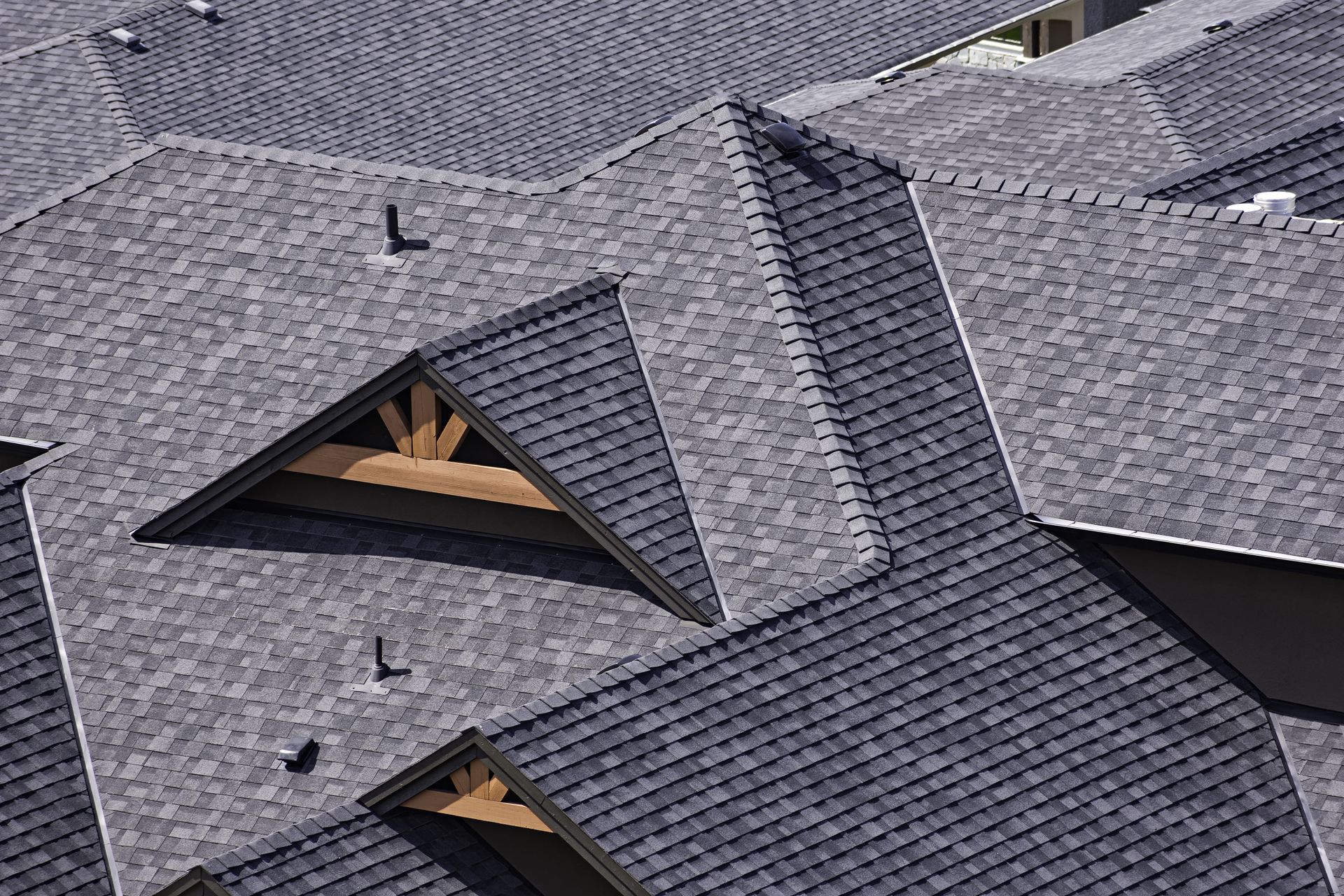
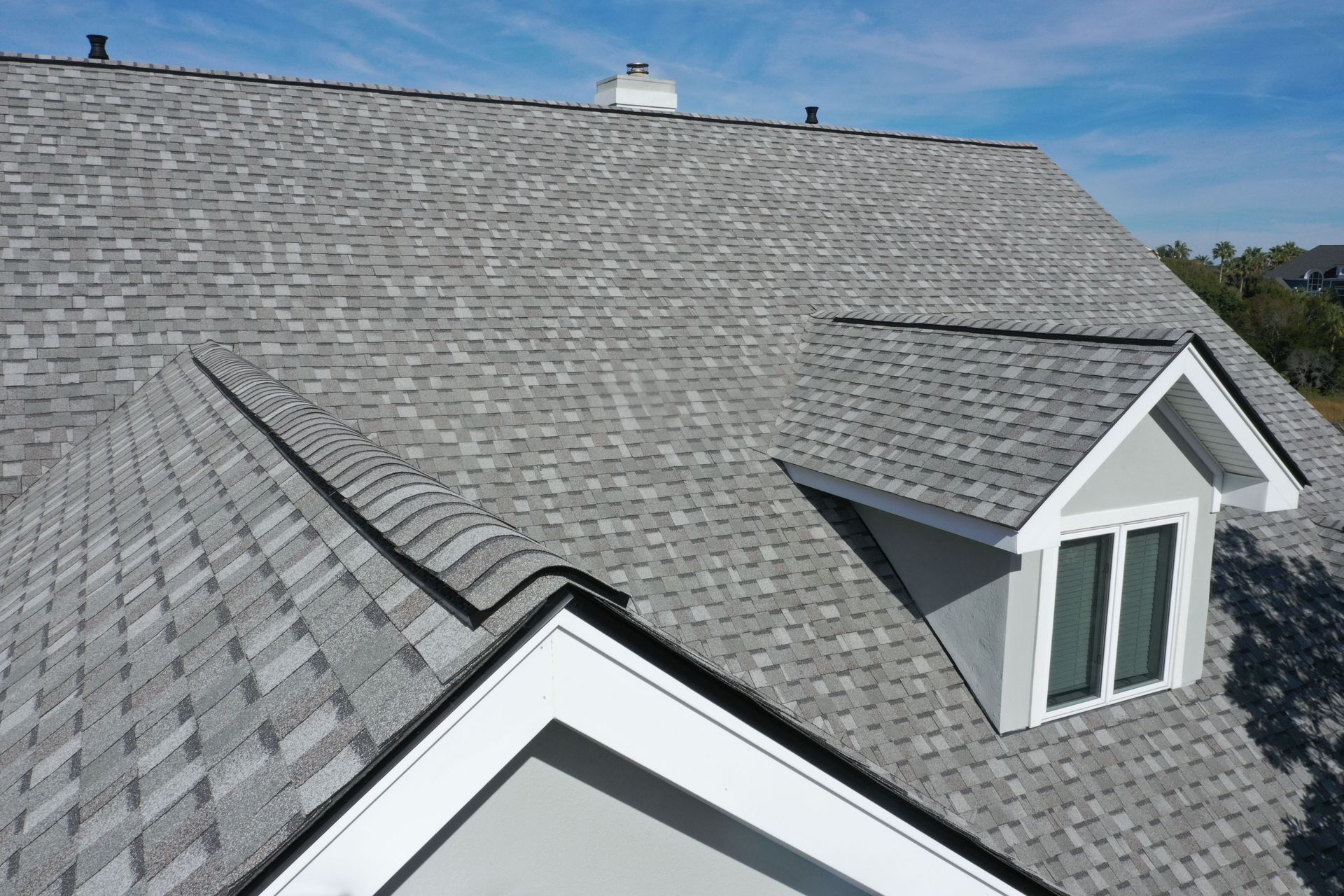
Choosing suitable materials determines how well your home withstands local climate extremes. According to Ruby Home, asphalt shingles are the most common roofing material, used in roughly 80% of roofing projects. Beyond standard composite options, metal panels, clay tiles, and slate offer distinctive performance profiles. Consulting with a knowledgeable roofing company ensures you select durable materials that fit both your climate and your financial plan.
Balancing Environmental and Aesthetic Factors
Energy efficiency and architectural harmony should guide your exterior choices. Cool roofs with reflective granules minimize heat gain and reduce cooling loads during hot summers. Simultaneously, the chosen roof must complement your home’s architectural style and neighborhood covenants, ensuring long-term curb appeal and resale value.
Researching Potential Service Providers
Gathering Recommendations and Client Reviews
Begin your contractor search by collecting personal referrals from neighbors, friends, and family who recently completed similar projects. Complement personal references with verified third-party reviews on community forums and consumer protection platforms. Recurring patterns in client feedback offer reliable insight into a contractor’s punctuality, jobsite cleanliness, and post-installation support.
Investigating Contractor Experience and History
A contractor’s operational history demonstrates their ability to navigate structural complications and severe weather challenges. Inquire how long the business has served your immediate region, and ask to review a portfolio of completed local projects. Established businesses with verified local roots are far more likely to honor workmanship warranties over the lifespan of your roof.
Evaluating Customer Service and Communication
Initial consultations reveal a contractor's commitment to customer satisfaction. A reliable roofing company should be transparent, responsive, and willing to answer queries comprehensively. Clear channels of communication establish shared expectations early, reducing administrative delays and minimizing friction once construction begins.
Evaluating Competitive Project Quotes
Requesting Detailed Itemized Estimates
Once you have vetted potential specialists, it is time to contact each shortlisted roofing company to obtain a formal estimate. Insist on itemized written proposals that outline exact material specifications, decking repairs, ventilation upgrades, underlayment types, and expected labor schedules. Transparent documentation prevents unexpected price escalations once work begins.
Comparing Pricing Across Different Bidders
Analyze bidding discrepancies carefully rather than automatically choosing the lowest price. Unusually low bids often reflect inferior materials, omitted safety precautions, or inadequate worker insurance. A balanced bid reflects skilled labor, premium components, comprehensive site cleanup, and reliable warranty backing.
Analyzing the Breakdown of Project Costs
A transparent estimate divides total cost into distinct categories: raw materials, labor hours, dumpster rental, permit acquisition, and potential deck replacement costs. Reviewing this proportional breakdown allows you to spot inflated line items and verify that all necessary components, such as ice-and-water shields and ridge vents, are included.
Clarifying Payment Schedules and Terms
Establish a fair payment structure before signing an agreement. Most roofing company proposals require an initial deposit, with remainder balances tied to project milestones or final sign-off. Never agree to pay the entire project balance upfront, and always obtain lien waivers upon issuing progress payments.
Negotiating Potential Discounts and Upgrades
Ask contractors about seasonal promotions, off-peak scheduling availability, or bundled component discounts. Negotiation can also center on value additions rather than price cuts alone, such as upgrading underlayment quality, adding seamless gutters, or securing an extended workmanship guarantee.
Finalizing the Project Contract
Documenting All Project Specifications
Ensure that all verbal promises, scope details, product model numbers, and cleanup duties are explicitly written into the contract. This document forms the binding legal agreement between you and the roofing company. Clear written terms protect both parties and provide an objective standard for final project acceptance.
Reviewing Payment Obligations and Terms
Read the fine print regarding retainage amounts, change-order protocols, and acceptable payment methods. Ensure the contract explicitly states that final payment is contingent upon complete property cleanup, municipal permit closure, and your satisfactory inspection of the finished roof.
Confirming Timelines and Target Milestones
The contract should clearly state expected start dates, expected workday hours, and substantial completion timelines. Clear scheduling language sets operational expectations and establishes accountability while allowing reasonable adjustments for inclement weather.
Establishing Clear Lines of Communication
Designate an authorized project manager or on-site supervisor who will serve as your primary point of contact throughout the tear-off and installation phases. Establishing structured daily check-ins ensures that unexpected sub-roof rot or structural issues are resolved swiftly without halting construction.
Preparing for Construction Work
Coordinating with the Installation Crew
Hold a brief pre-construction meeting to review logistical logistics before materials arrive. Clarify where dumpsters, tear-off chutes, and delivery flatbeds should be positioned on your driveway to prevent concrete cracks and maintain neighborhood street access.
Reviewing Safety Protocols and Standards
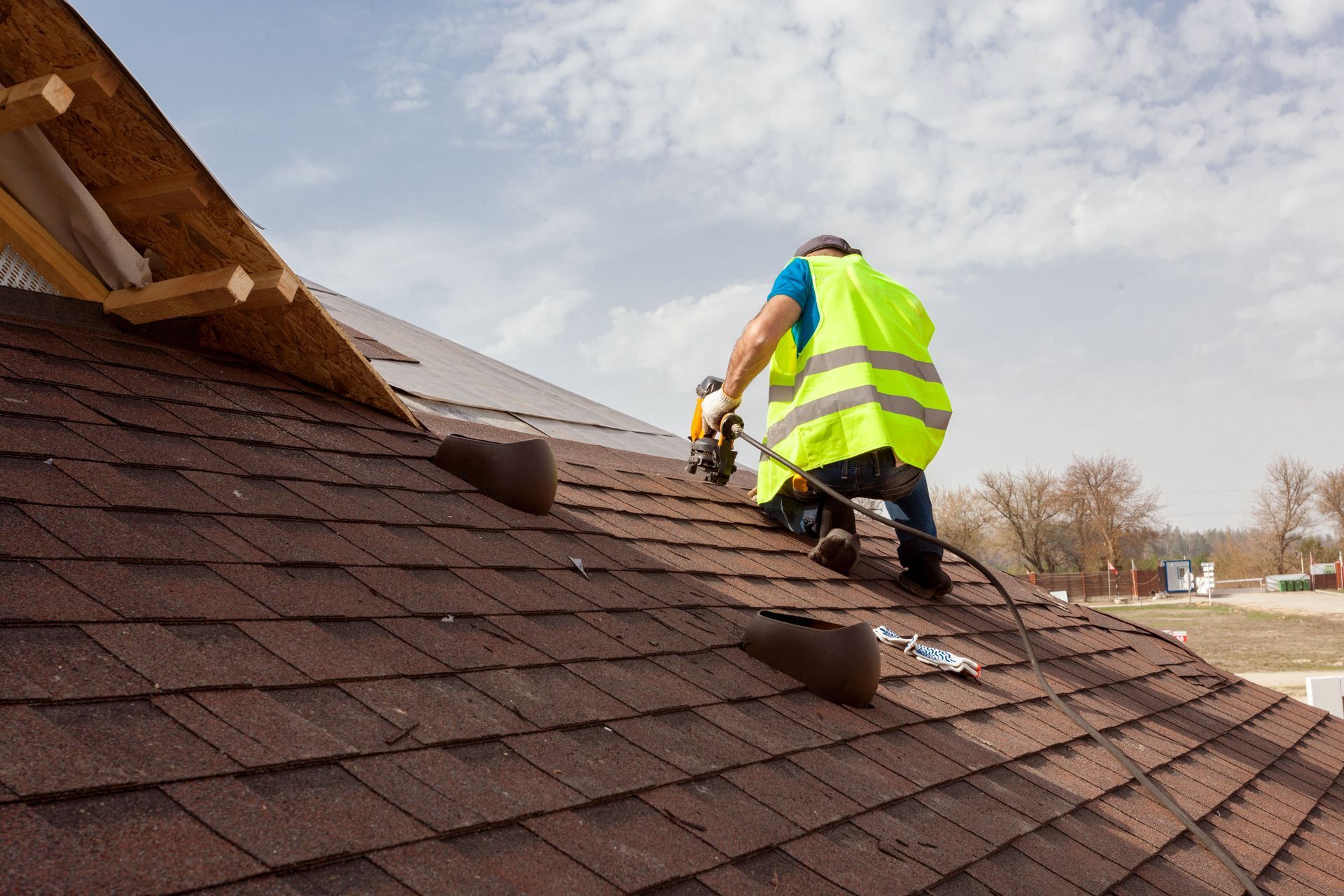
Make sure you understand the safety protocols and guidelines the roofing company will follow during the project. Reputable installers utilize OSHA-compliant fall protection systems, wear protective equipment, and establish perimeter drop zones to keep your family and property secure.
Managing Weather Delays and Contingencies
Severe weather conditions can disrupt even the most organized roofing schedules. Discuss contingency plans with your supervisor, confirming that the crew maintains heavy-duty tarps on-site to seal exposed decking immediately if sudden rain or high winds develop mid-project.
Securing Permits and Legal Approvals
Confirm that all required municipal building permits are posted prominently on-site before demolition begins. Proper permitting verifies that the work complies with local building codes, structural wind-uplift standards, and mandatory fire-safety ratings.
Partnering with the right roofing company is a significant investment, and it is crucial to approach the process with clear expectations. By thoroughly diagnosing your structural needs, vetting licensed professionals, securing comprehensive contracts, and conducting rigorous final inspections, you safeguard your household against moisture intrusion and structural decay. A deliberate, well-researched approach guarantees a seamless installation, reliable warranty coverage, and decades of dependable overhead protection. Call Silver Lining Exteriors today to see why we're the roofing company people rely on.